Struggling with debt and trying to save? Or maybe you want realistic tips on how to save and plan for your financial future. This episode is for you!
You work hard, but now you want your money to work for you.
For many of us growing up, financial literacy simply wasn't taught. It was not a prioritized subject in school. In fact, according to a FINRA Foundation study, only 36% of millennials were offered formal financial literacy education in high school, college, or through their employers, and just 22% participated.
Unfortunately, this has left millions of Americans struggling with debt, whether in the form of student loans (43 million borrowers), personal loans (26 million borrowers), credit card debt ($1.28 trillion), or payday loans (12 million borrowers) when times get tough. Add to that the constant stream of advertisements and social media content encouraging people to invest, and the average person may feel stuck between a rock and a hard place, especially with inflation continuing to impact everyday expenses.
According to the U.S. Bureau of Labor Statistics, rent increased 2.9% in 2025, food and grocery prices rose 2.1%, and utilities climbed approximately 7%. This begs the question: How do you save while also paying off debt? That's exactly what this episode's guest helps us unpack.
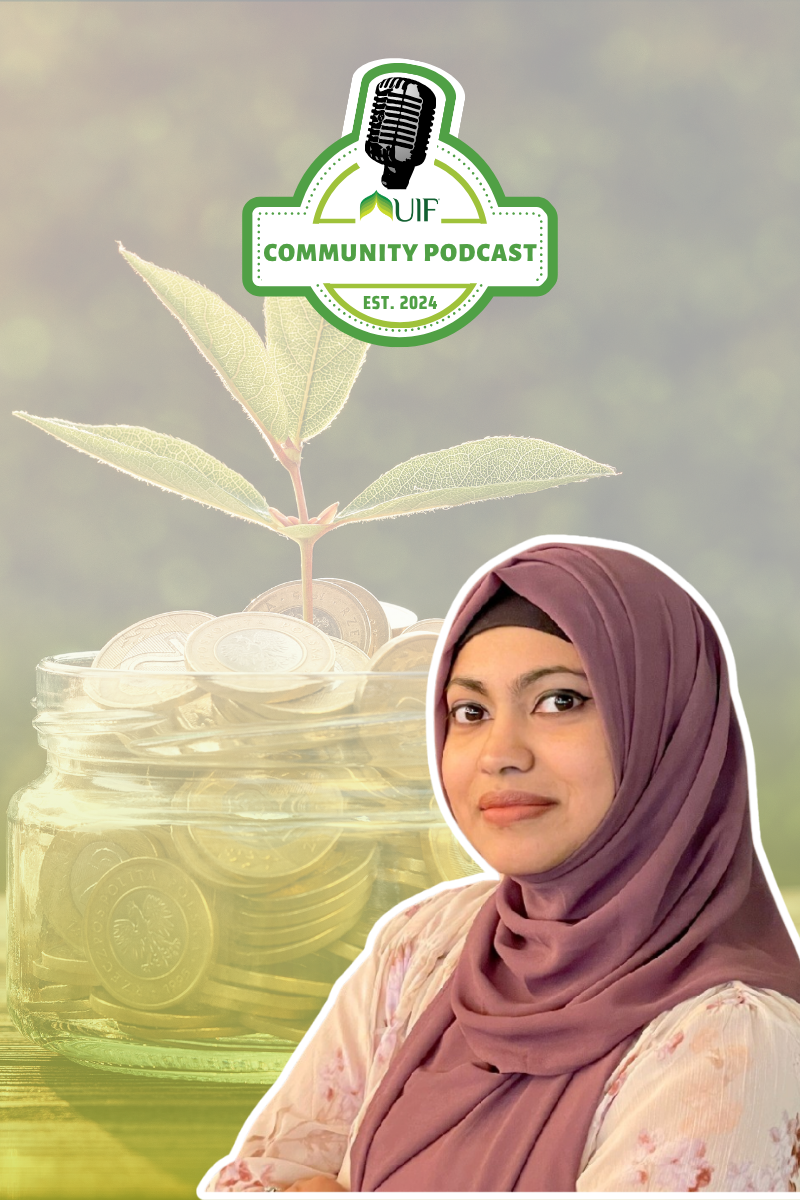
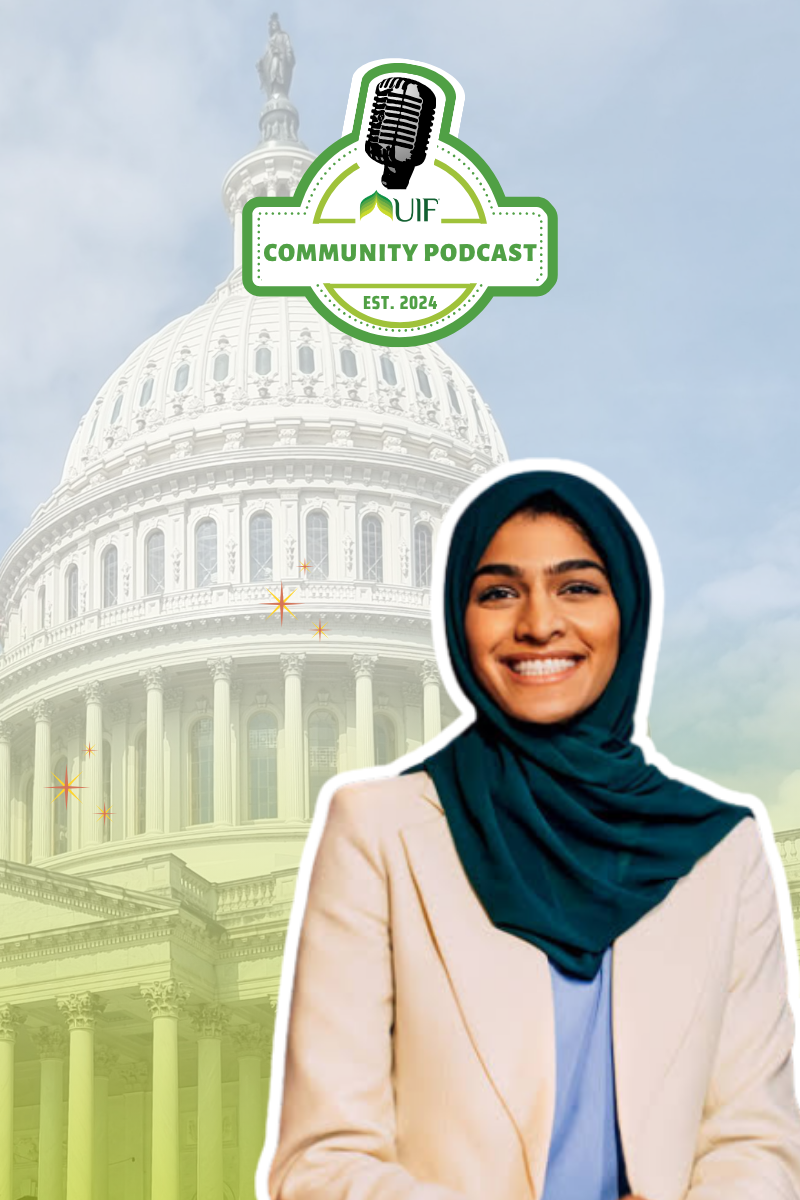
Introducing Fahmin Fardous, Certified Financial Planner
Fahmin Fardous, Certified Financial Planner (CFP®), a Muslim financial planner specializing in halal investments, estate planning, and retirement planning, breaks it down for us. Given that many young people struggle to save, she recommends the 50/30/20 budgeting formula: allocate 50% of your income toward needs, 30% toward wants and lifestyle expenses, and save the remaining 20%.
Now that we've covered budgeting, where and how should we save? That brings us to retirement accounts.
Whether you're focused on paying off debt or building savings, an emergency fund should come first. Having three to six months of expenses saved, or even up to a year if possible, can help protect you when unexpected expenses arise. This should be your first line of defense. A healthy emergency fund can help you avoid relying on credit cards and paying sky-high APRs that can exceed 25%. Once your emergency fund is established, you can begin exploring brokerage accounts and retirement accounts.
If terms like "401(k)" and "Roth IRA" sound like alphabet soup, don't worry. Fahmin breaks those down, too. Depending on your income, goals, and financial situation, either or both may be worthwhile options. The primary difference comes down to whether contributions are made with pre-tax or post-tax income.
With a 401(k), contributions are typically made from your pre-tax income and placed into a retirement account through your employer. Those funds are taxed later when you withdraw them in retirement, based on your tax bracket at that time. Some employers also offer matching contributions, essentially adding money to your retirement savings.
With a Roth IRA, contributions are made using income that has already been taxed. The benefit is that qualified withdrawals in retirement are tax-free, allowing your investments to grow without future tax liability.
For the full breakdown, watch or listen to this episode on YouTube, Spotify, or Apple Podcasts and subscribe to stay up to date with the latest episodes.
Looking to start investing? You're in the right place! UIF has halal savings accounts you can open for just $100* and earn riba-free profit while investing in Sharia-compliant products. Click here to get started.
*Minimum balance to open account, however, balance must be at least $500 to earn profit. Offered through University Bank, Member FDIC.
Share This Story, Choose Your Platform!